Featured

“How to Prevent Duct Contamination”

Source: EPA (United States Environmental Protection Agency

Whether or not you decide to have the air ducts in your home cleaned, committing to a good preventive maintenance program is essential to minimize duct contamination.

To prevent dirt from entering the system:

  • Use the highest efficiency air filter recommended by the manufacturer of your heating and cooling system
  • Change filters regularly.
  • If your filters become clogged, change them more frequently.
  • Be sure you do not have any missing filters and that air cannot bypass filters through gaps around the filter holder.
  • When having your heating and cooling system maintained or checked for other reasons, be sure to ask the service provider to clean cooling coils and drain pans.
  • During construction or renovation work that produces dust in your home, seal off supply and return registers and do not operate the heating and cooling system until after cleaning up the dust.
  • Remove dust and vacuum your home regularly. (Use a high efficiency vacuum (HEPA) cleaner or the highest efficiency filter bags your vacuum cleaner can take. Vacuuming can increase the amount of dust in the air during and after vacuuming as well as in your ducts).
  • If your heating system includes in-duct humidification equipment, be sure to operate and maintain the humidifier strictly as recommended by the manufacturer.”
Duct Cleaning – How we do it

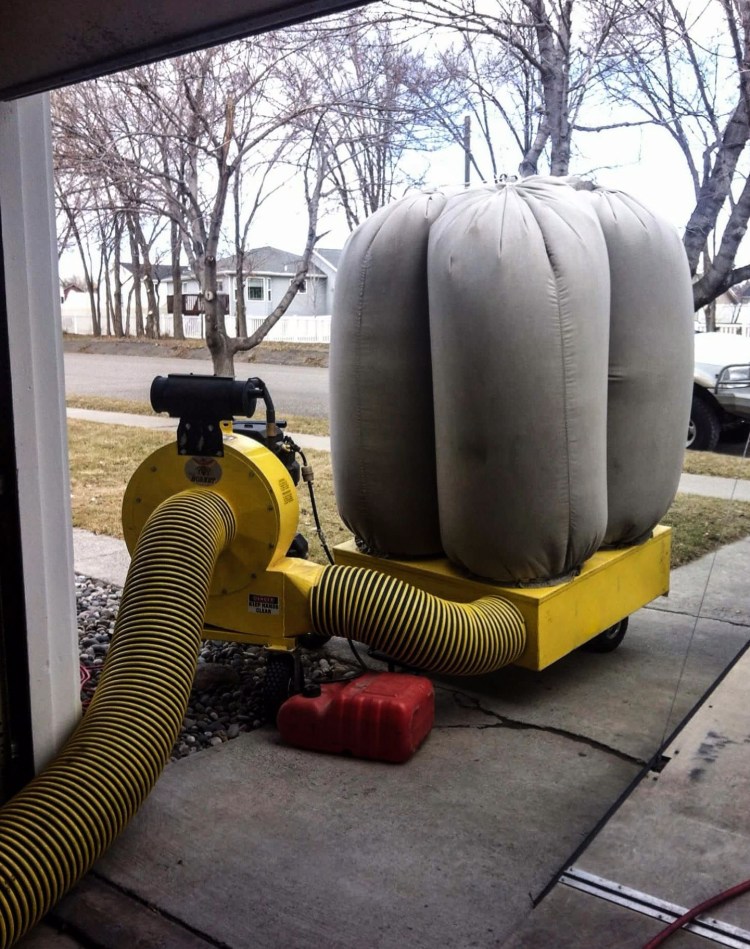
We specialize in duct cleaning, it is all we do and we do it well. We have a wide array of state of the art industry leading an electric and gas powered duct cleaning equipment, by far the best duct cleaning system available today: the Hornet vacuum. This vacuum is a massive 25 horsepower gas powered vacuum that creates an incredible 6000 CFM of negative pressure!

Ductworx hornet
Our duct cleaning system

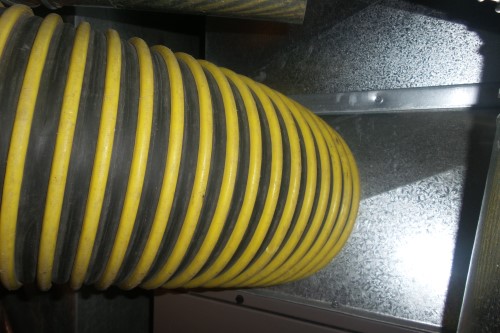
Generally, we connect this vacuum to the ducts at the main plenum or trunkline, giving us adaptability and versatility. We can clean all ducts, from RVs to large commercial buildings. We clean round ducts, square ducts, rigid ducts, flex ducts! .

We connect this vacuum to the ducts at the main plenum or trunkline

This powerful negative pressure draws all the dirt out with the help of a set of compressed air whips that agitate the walls of the duct with a brushing motion, removing all dust, debris, hair, dirt, and any other contaminants found in your HVAC system.

This video will give you a peek inside a duct while being cleaned by the Hornet system…

The best duct cleaning system available today is the Hornet vacuum

Deodorization and Sanitization. When needed

Deodorization and sanitization are two different procedures that can be done to your ductwork, ideally after the ducts have been cleaned.

Often times the ductwork is simply contaminated with dirt, hair, construction debris, etc. A standard full system duct cleaning removes the dirt and you’re good to go. Occasionally though, there are special circumstances.

Mouse infestation, animal urine, food spills and other odor causing cases call for further action. We carry a variety of commercial sanitizers and deodorizers that take care of whatever might be growing in or otherwise stinking up your vents! We specialize in disaster restoration projects that can even treat ducts damaged by floods and fires, cigarette smoke, tear gas and trauma scenes.

Is it really necessary to clean Dryer Vents?

Lets find out!

How many loads of laundry does your dryer handle each week? Have you noticed how much lint accumulates on the lint retainer screen? That is just a fraction of the overall lint produced by your clothes dryer! Lint is the accumulation of fibers that slough off clothing and is highly flammable. It is like tinder piling up in your dryer and vent just waiting for a spark! Your dryer uses electricity, produces heat, and has many moving parts. These factors add up to a high risk of fire. Excess lint in the dryer and vent can cause fires! We’ve seen it!

For an extended statistic of fires caused by lint in Clothes Dryer see the report from the NFPA here.

Therefore, the clear answer is YES! it is highly recommended to clean dryer vents regularly. Do not wait until your dryer stops drying properly(a clear sign the vent is clogged) hire a professional to clean your dryer vent!

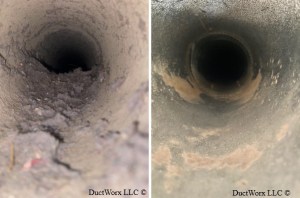
Dryer Vent Before & After

Does Your Heating and Cooling System Need to be Cleaned?

Information taken from EPA:

“You should consider having the air ducts in your home cleaned if:

  • There is substantial visible mold growth inside hard surface (e.g., sheet metal) ducts or on other components of your heating and cooling system. There are several important points to understand concerning mold detection in heating and cooling systems:
    • Many sections of your heating and cooling system may not be accessible for a visible inspection, so ask the service provider to show you any mold they say exists.
    • You should be aware that although a substance may look like mold, a positive determination of whether it is mold or not can be made only by an expert and may require laboratory analysis for final confirmation. For about $50, some microbiology laboratories can tell you whether a sample sent to them on a clear strip of sticky household tape is mold or simply a substance that resembles it.
    • If you have insulated air ducts and the insulation gets wet or moldy it cannot be effectively cleaned and should be removed and replaced.
    • If the conditions causing the mold growth in the first place are not corrected, mold growth will recur.
  • Ducts are infested with vermin, e.g. (rodents or insects)
  • Ducts are clogged with excessive amounts of dust and debris and/or particles are actually released into the home from your supply registers.

If any of the conditions identified above exists, it usually suggests one or more underlying causes. Prior to any cleaning, retrofitting, or replacing of your ducts, the cause or causes must be corrected or else the problem will likely recur.

Some research suggests that cleaning heating and cooling system components (e.g., cooling coils, fans and heat exchangers) may improve the efficiency of your system, resulting in a longer operating life, as well as some energy and maintenance cost savings. However, little evidence exists that cleaning only the ducts will improve the efficiency of the system.

You may consider having your air ducts cleaned simply because it seems logical that air ducts will get dirty over time and should be occasionally cleaned. Provided that the cleaning is done properly, no evidence suggests that such cleaning would be detrimental. EPA does not recommend that the air ducts be cleaned routinely, but only as needed. EPA does, however, recommend that if you have a fuel burning furnace, stove or fireplace, they be inspected for proper functioning and serviced before each heating season to protect against carbon monoxide poisoning.”

Source: EPA

New Construction

One would think: “Is it really necessary to clean the ducts in a NEW house?”

DuctWorx LLC

While its true you probably wont see much hair, rodents and things commonly found in dirty ductwork of older homes, a newly constructed home has its own variety of contaminants.

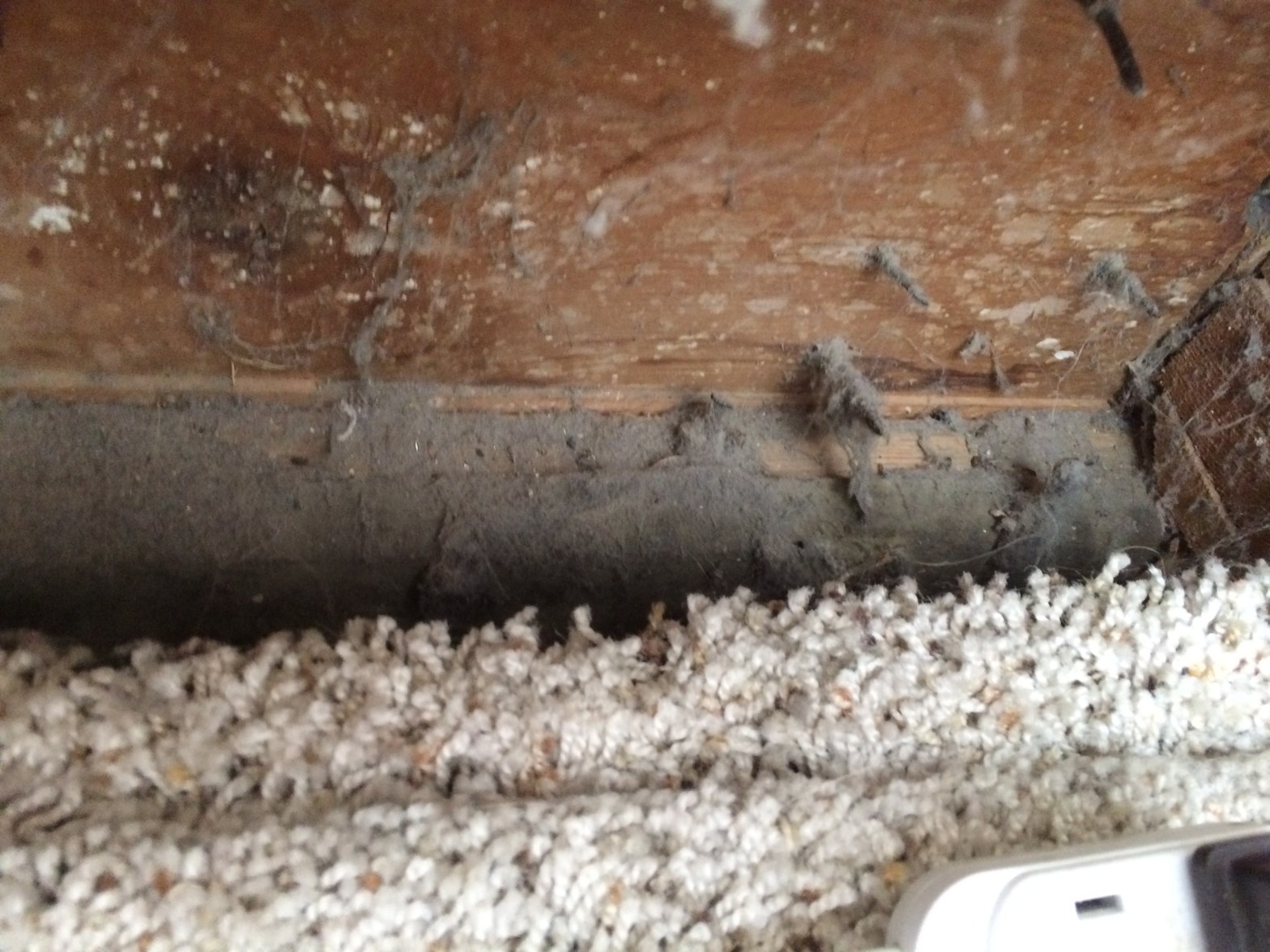
Think about it: the HVAC system is usually installed once the framing is complete. Contractors often run the system during the rest of the construction process. That means all that dust from the drywall cutting, taping, sanding, texture and paint gets sucked into the vents. Imagine the sawdust from cutting and sanding trim and cabinets and hardwood flooring!

All said and done, the new house is beautiful! But, the ductwork and furnace is FULL of dust, dirt, and construction debris. Many people call us a year or two after building a new home complaining about all the dust in their house! Thus they hire us to do what should have been done before they even moved in.

Post-construction cleaning is a natural final step of the construction process; sadly for many builders, duct cleaning is never even considered. Its out of sight, out of mind. So if you live in a new home ask yourself: “what’s hiding in my ducts?”

“All said and done, the new house is beautiful! But, the ductwork and furnace is FULL of dust, dirt, and construction debris.”

Ductworx LLC

Dust… Why Do We Need To Remove It From Air Ducts

House dust mites are present indoors wherever humans live. Positive tests for dust mite allergies are extremely common among people with asthma. Dust mites are microscopic arachnids whose primary food is dead human skin cells, but they do not live on living people. They and their feces and other allergens they produce are major constituents of house dust, but because they are so heavy they are not suspended for long in the air. They are generally found on the floor and other surfaces until disturbed (by walking, for example). It could take somewhere between twenty minutes and two hours for dust mites to settle back down out of the air.

Dust mites are a nesting species that prefers a dark, warm, and humid climate. They flourish in mattresses, bedding, upholstered furniture, and carpets. Their feces include enzymes that are released upon contact with a moist surface, which can happen when a person inhales, and these enzymes can kill cells within the human body.[2] House dust mites did not become a problem until humans began to use textiles, such as western style blankets and clothing.”

To read more on dust see: https://en.wikipedia.org/wiki/Dust

What is Duct Cleaning?

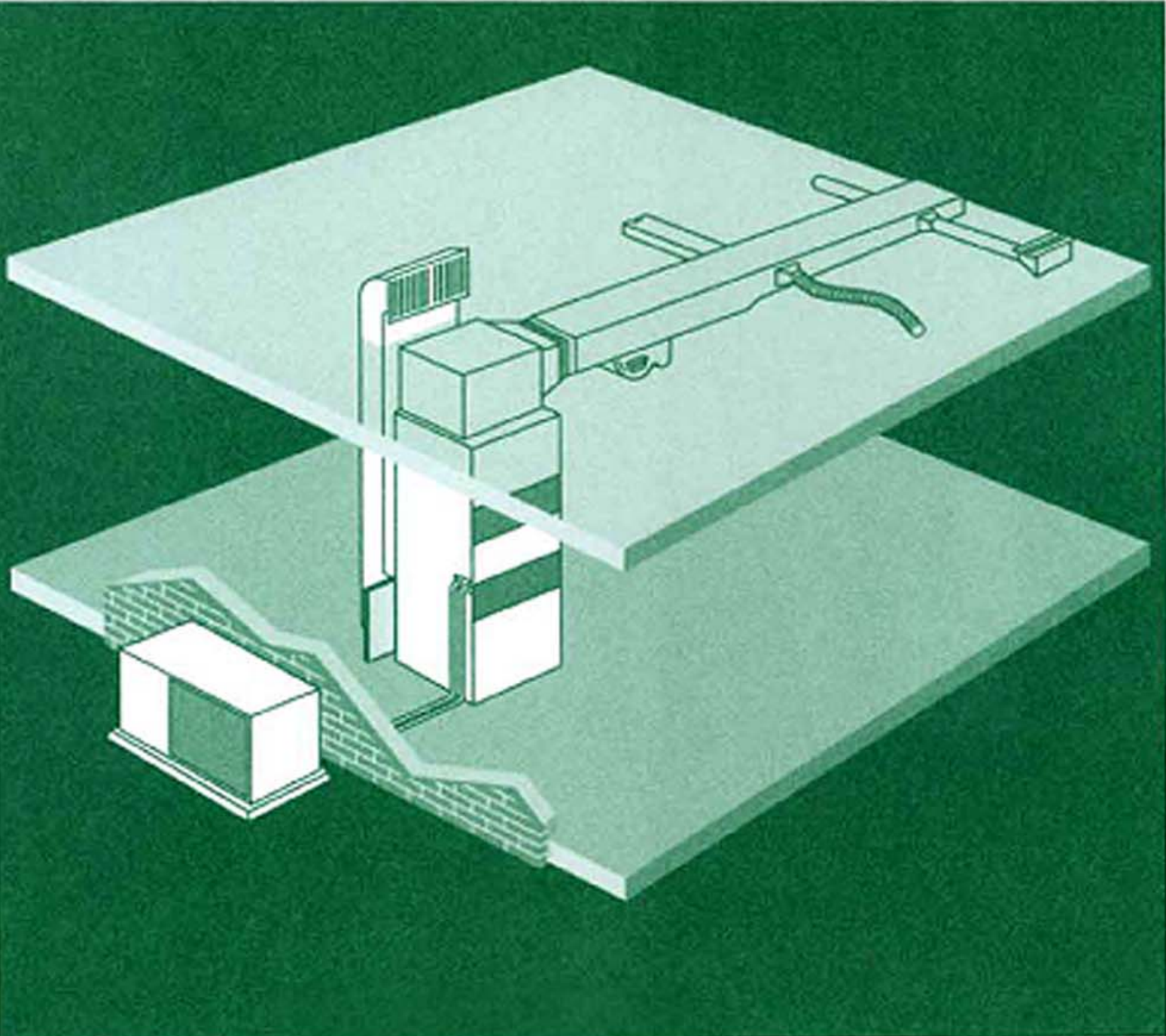
“Duct cleaning generally refers to the cleaning of various heating and cooling system components of forced air systems, including the supply and return air ducts and registers, grilles and diffusers, heat exchangers heating and cooling coils, condensate drain pans (drip pans), fan motor and fan housing, and the air handling unit housing (See diagram).

20170123_085800

Why is Duct Cleaning Necessary?

Because if not properly installed, maintained and operated, these components may become contaminated with particles of dust, pollen or other debris. If moisture is present, the potential for microbiological growth (e.g., mold) is increased and spores from such growth may be released into the home’s living space. Some of these contaminants may cause allergic reactions or other symptoms in people if they are exposed to them.

If you decide to have your heating and cooling system cleaned, it is important to make sure the service provider agrees to clean all components of the system and is qualified to do so. Failure to clean a component of a contaminated system can result in re-contamination of the entire system, thus negating any potential benefits. Methods of duct cleaning vary, although standards have been established by industry associations concerned with air duct cleaning. Typically, a service provider will use specialized tools to dislodge dirt and other debris in ducts, then vacuum them out with a high-powered vacuum cleaner.

In addition, the service provider may propose applying chemical biocides, designed to kill microbiological contaminants, to the inside of the duct work and to other system components. Some service providers may also suggest applying chemical treatments (sealants or other encapsulants) to encapsulate or cover the inside surfaces of the air ducts and equipment housings because they believe it will control mold growth or prevent the release of dirt particles or fibers from ducts. These practices have yet to be fully researched and you should be fully informed before deciding to permit the use of biocides or chemical treatments in your air ducts. They should only be applied, if at all, after the system has been properly cleaned of all visible dust or debris.”

Source: EPA